A newly unveiled DIY potentiometer kit is revolutionizing how beginners learn about variable resistance in electronic circuits. The simple device, built by hobbyist [DiscoLapy], allows students to see and manipulate every component of a potentiometer—from the resistive track to the wiper—in real time.
“This isn't just a theoretical lesson. Students can draw their own resistive path with a pencil and watch how changing it affects an LED’s brightness,” said Dr. Elena Vasquez, an electronics education researcher at MIT. “That tangible feedback is invaluable for understanding Ohm’s law.”
Background
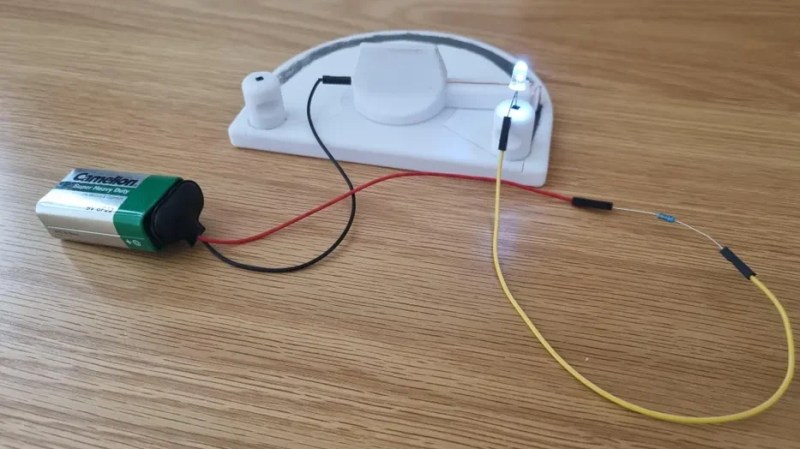
The kit consists of a 3D-printed base and knob that form the mechanical structure. A paper track is placed on the base and coated with graphite from a standard pencil to create the resistive element. The user then adds contacts and a wiper—essentially building a fully functional potentiometer from scratch.
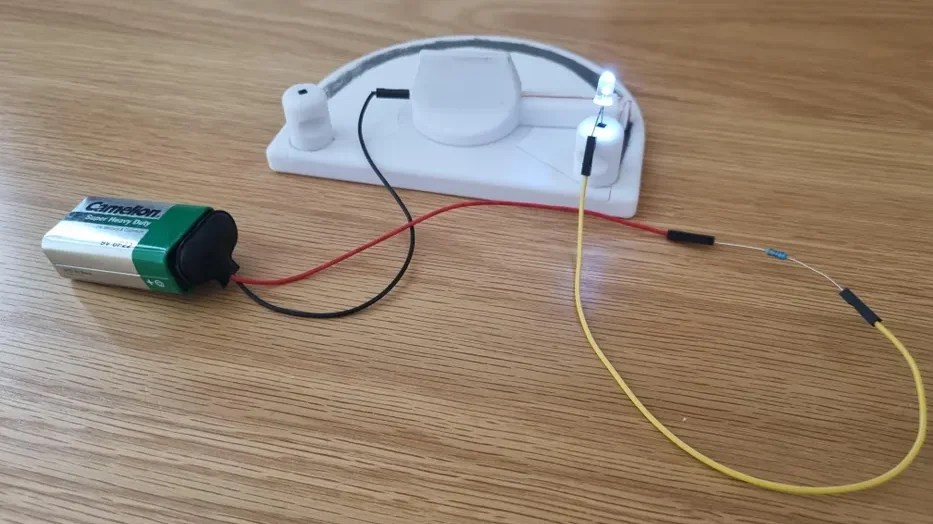
“By physically drawing the resistive trace and seeing the wiper move, learners grasp why resistance changes with contact position,” said [DiscoLapy] in a project description. The device can be hooked up to an LED or multimeter to demonstrate variable resistance in action.
What This Means
This teaching tool addresses a key gap in electronics education: many students struggle to connect abstract circuit diagrams with physical components. By making the internal workings visible, the kit demystifies how potentiometers control voltage and current in everything from dimmer switches to volume knobs.
“It’s a simple but powerful way to lower the barrier to entry for future engineers,” Vasquez added. “When you can see the resistance change as you turn the knob, the concept becomes intuitive rather than abstract.”
Similar hands-on aids have been featured in the past, but this design’s use of everyday pencil graphite and 3D-printed parts makes it particularly accessible and reproducible for classrooms or makerspaces.
For educators interested in building their own, the full instructions and STL files are available online. The project is part of a growing trend of open-source teaching tools that blend 3D printing with basic electronics to foster STEM learning.