A New Direction for Android
Android updates have lately felt like gentle nudges rather than leaps forward—a permission tweak here, a smoother transition there. But with Android 17, codenamed Cinnamon Bun internally and slated for Pixel devices in June 2026, Google is set to flip the script—and possibly your ethical compass as well. This release doesn't just polish the user experience; it presents a stark choice between groundbreaking convenience and the erosion of personal privacy.
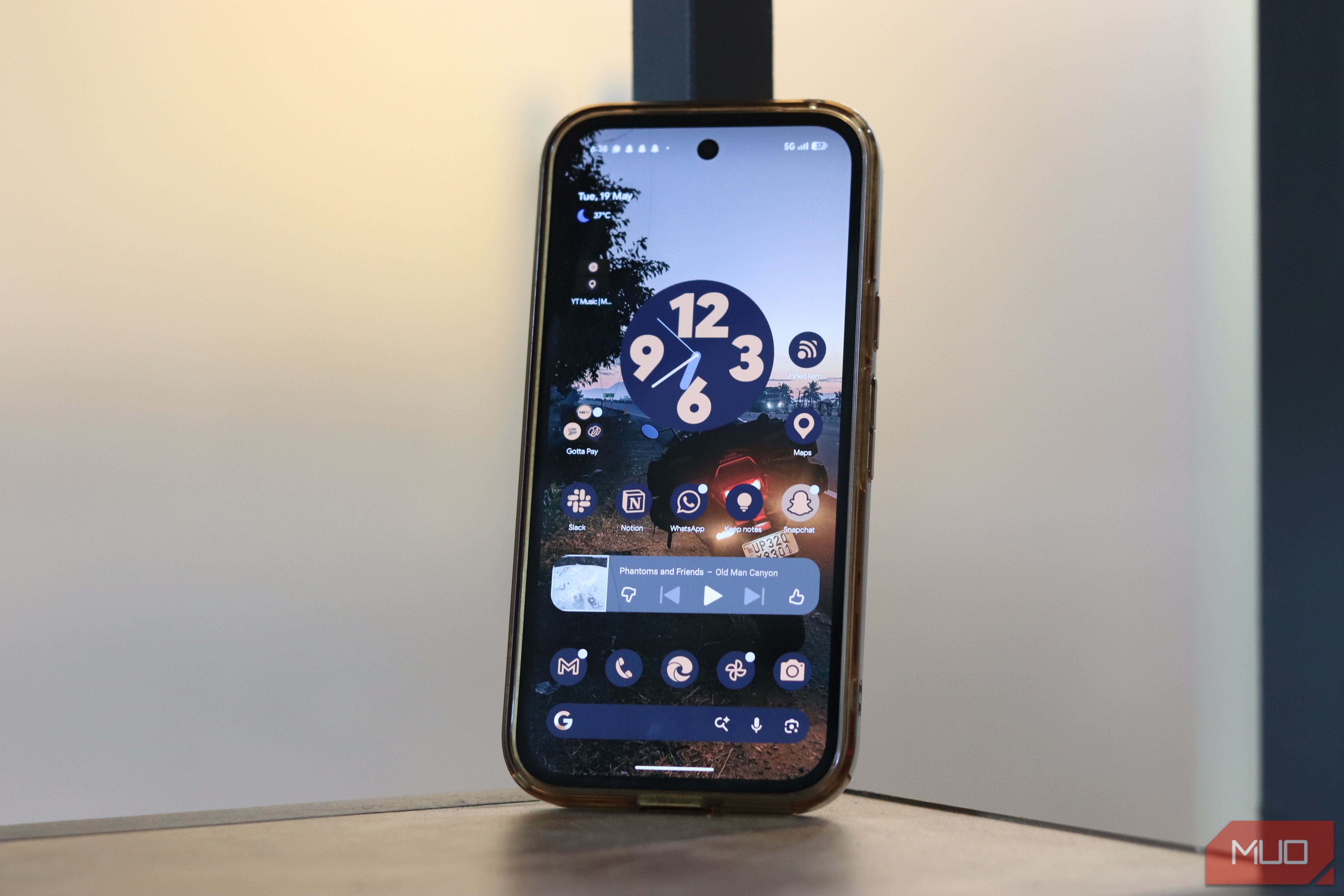
Cinnamon Bun: More Than Just a Sweet Name
The dessert-inspired codename might suggest a light, indulgent update, but Android 17 packs a serious punch. While past versions drummed up limited excitement, this one arrives with a promise of hyper-personalization—the kind of intelligent, anticipatory assistance that feels like having a digital twin. However, to achieve that, the operating system requires unprecedented access to your daily life, raising the stakes for privacy-conscious users.
What Is Hyper-Personalization?
Imagine an assistant that knows your schedule down to the minute, predicts your needs before you articulate them, and seamlessly integrates across apps—all without explicit commands. Android 17 aims to deliver exactly that through a deep, always-on learning layer that analyzes location, communication patterns, app usage, and even biometric cues. The result: less friction, more flow. But the cost is your data—the very fuel that powers this intelligence.
The Feature That Changes Everything
The centerpiece of Android 17 is its Contextual Awareness Engine, a system that continuously ingests data to tailor the interface and recommendations. It can automatically switch your phone to silent during meetings, suggest shortcuts based on your behavior, and even preload apps you're likely to open next. For power users craving efficiency, this is a dream come true. Yet it demands a level of trust few are ready to grant.
Privacy Concerns Reach a Tipping Point
To enable such deep personalization, Android 17 asks for permissions that go far beyond standard sensors. It needs constant access to your microphone, camera, and even ambient audio patterns to distinguish your voice from background noise. The fine print allows Google to aggregate this data for improving algorithms, though the company promises encryption and on-device processing. Still, security experts warn that a system this invasive creates an attractive target for hackers and surveillance.

- On-device vs. cloud: Some features run locally, but others depend on cloud sync, creating a potential weak point.
- Third-party access: Developers can tap into the engine's data feeds with minimal restrictions, expanding the exposure.
- Opt-out penalties: Disabling the engine may cripple core functions, effectively forcing consent.
Is This the Ultimate Trade-Off?
Every major technological advance demands a sacrifice. Android 17 frames the debate as a binary: unprecedented convenience or shrinking privacy. For early adopters, the allure of a phone that thinks ahead may outweigh the risks. For others, it's a red line that redefines what they're willing to share. The decision ultimately rests on your personal threshold for data exposure—and how much you value a truly intelligent smartphone.
What Users Can Do Now
- Review app permissions thoroughly before updating.
- Limit Android 17's background data collection in Settings.
- Use a VPN to mask location and browsing habits.
As June 2026 approaches, the Cinnamon Bun update will force millions to confront a fundamental question: How much of your private life are you willing to trade for a smarter phone? The answer may define the next decade of mobile computing.