Breaking: Budget Misses Chance for Fossil Fuel Tax Reform
Australia’s federal budget has been accused of ducking a critical opportunity to reform fossil fuel taxes, with critics labeling the approach a “band-aid” for climate and energy resilience. The Albanese government, which promised to restore intergenerational equity, now faces mounting pressure over its lack of action.

“This budget chose short-term political comfort over long-term economic and environmental responsibility,” said Dr. Emily Hart, a climate policy analyst at the Australian National University. “Tax breaks for fossil fuels remain largely untouched, while clean energy investments are piecemeal at best.”
Background: The Missed Opportunity
The budget was widely expected to address long-standing fossil fuel subsidies, which cost taxpayers billions annually. Environmental groups had pushed for reforms to redirect funds toward renewable energy and grid resilience.
Instead, the government allocated modest sums for energy efficiency upgrades and community batteries, but left the tax structure for oil, gas, and coal virtually unchanged. “It’s a patch-up job that doesn’t tackle the root problem,” noted Sarah Chen, director of the Clean Energy Institute.
What This Means for Australia’s Climate Goals
The decision to avoid fossil fuel tax reform means Australia risks falling behind on its 2030 emissions reduction targets. The International Energy Agency has repeatedly advised nations to phase out fossil fuel subsidies to align with net-zero pledges.
“By maintaining the status quo, the government is effectively subsidizing the very industries driving climate change,” said Professor Mark Lewis, an energy economist at the University of Sydney. “This undermines any rhetoric about a ‘renewables revolution’.”
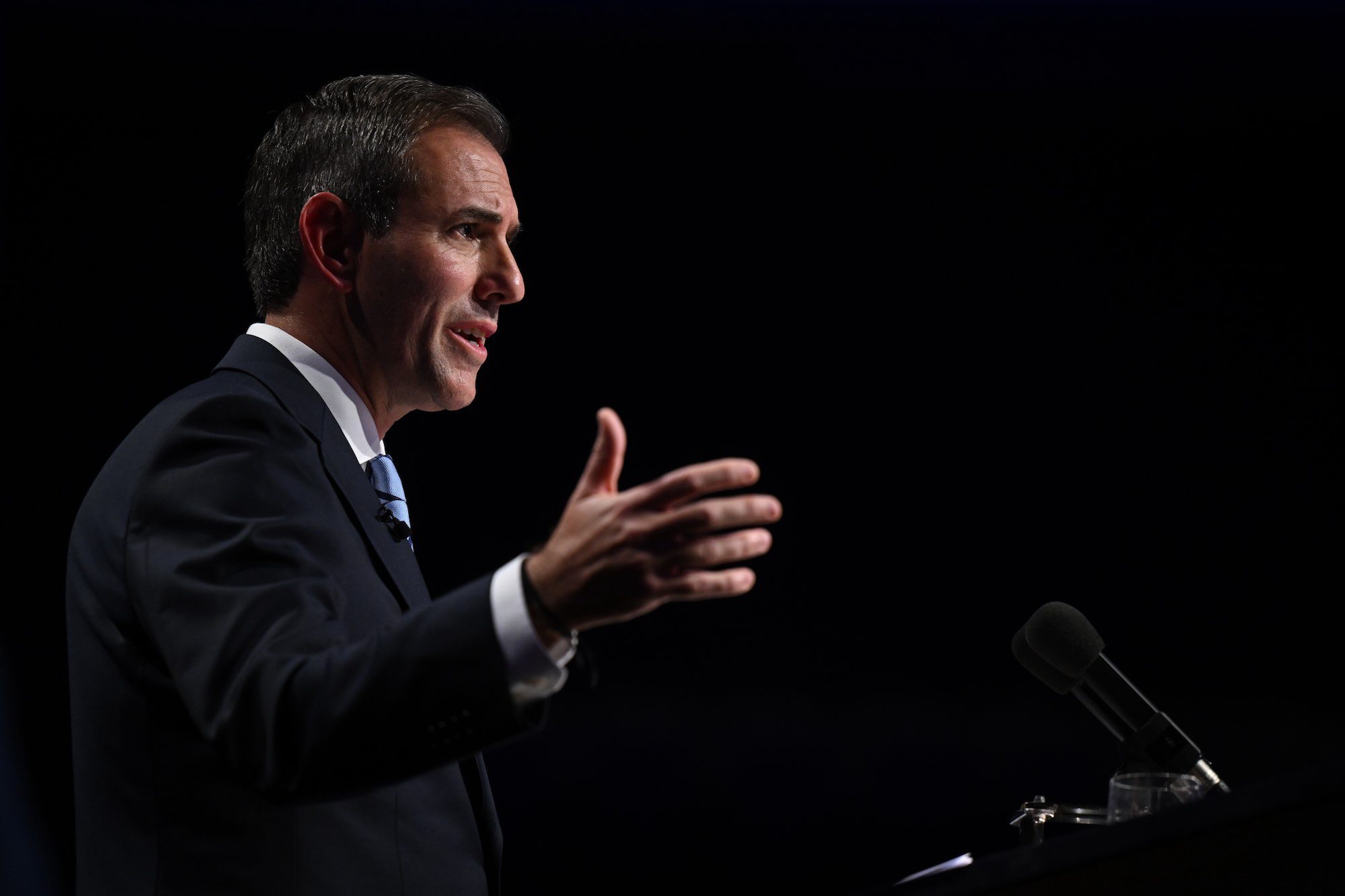
Business groups also expressed concern. “Uncertainty around carbon pricing and tax treatment deters private investment in green technologies,” explained Laura Kim, CEO of the Australian Sustainable Business Council. “We need clarity, not stopgap measures.”
Political Reactions and Next Steps
The opposition has seized on the issue, calling the budget a “lost decade” for energy policy. Greens leader Adam Bandt accused Labor of “breaking its promise to be the climate election winner.”
Treasurer Jim Chalmers defended the budget, arguing that gradual reforms were needed to protect jobs in traditional energy sectors. However, internal sources suggest the government is wary of angering powerful fossil fuel lobby groups ahead of the next federal election.
Watch for forthcoming senate inquiries and pressure from activist investor groups urging stronger action. The background of this issue shows that similar budget slippages have occurred in previous years, raising questions about political will.
This is a developing story. Check back for updates.